Today is that sad day when I take the boat in to be put in storage for the winter. Until next summer Magic Waves!

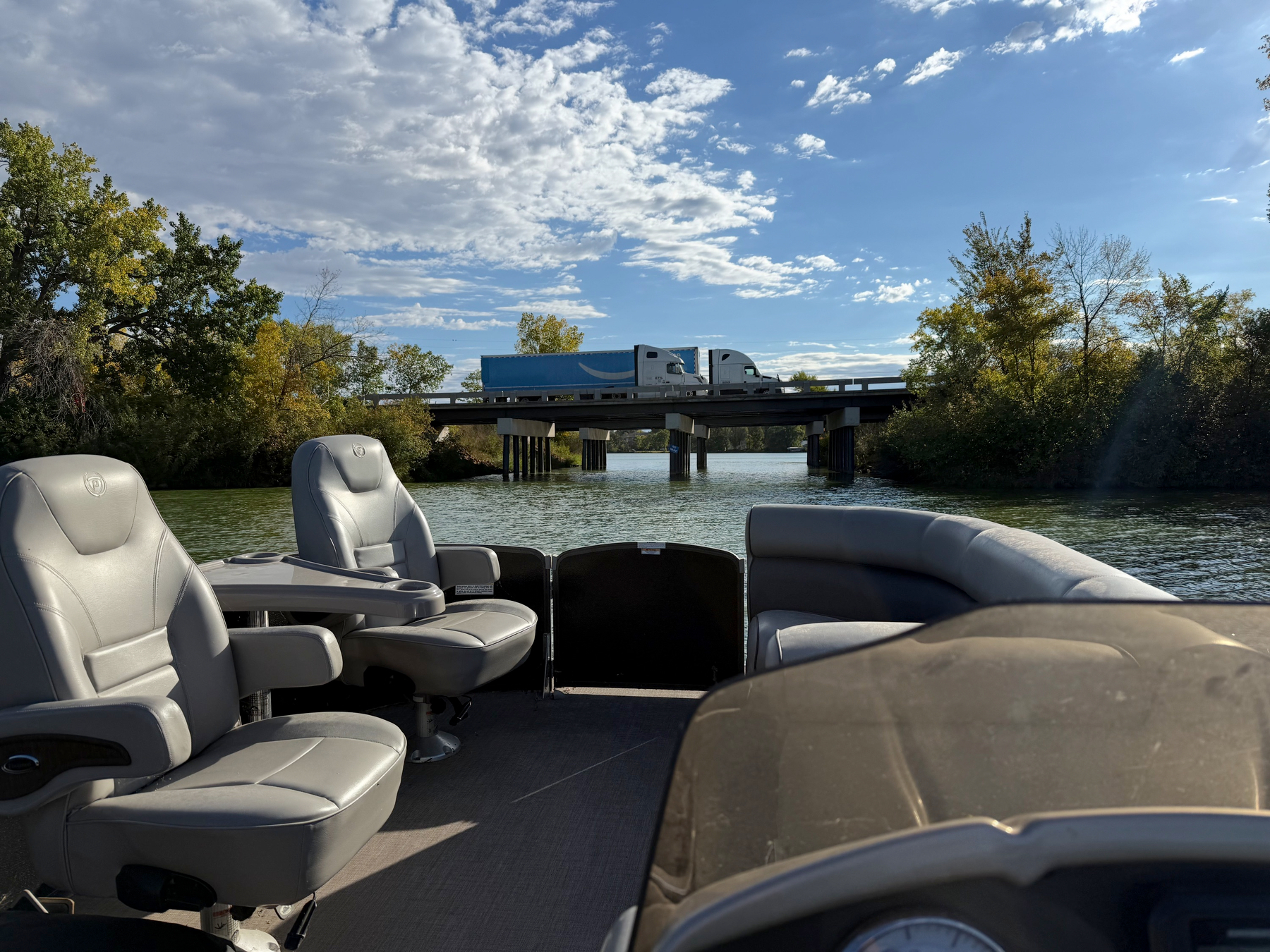
Today is that sad day when I take the boat in to be put in storage for the winter. Until next summer Magic Waves!
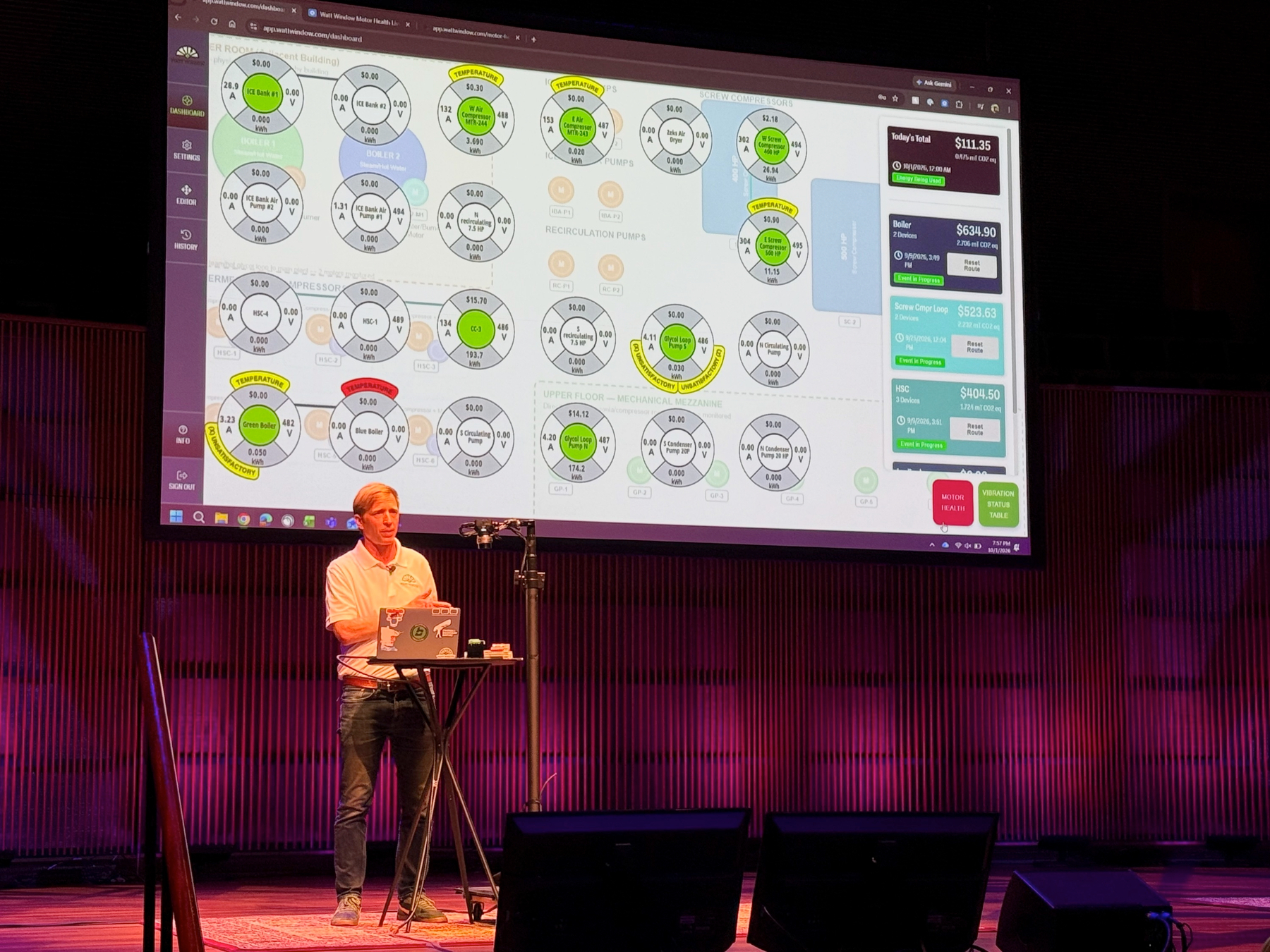
Watt Window was my other demo highlight from Minnedemo. Combination of hardware and software to monitor industrial motors and increase efficiency. This is a real-world use case for how you can lower the carbon footprint of a plant. And, reliably predict equipment failures! Impressive!
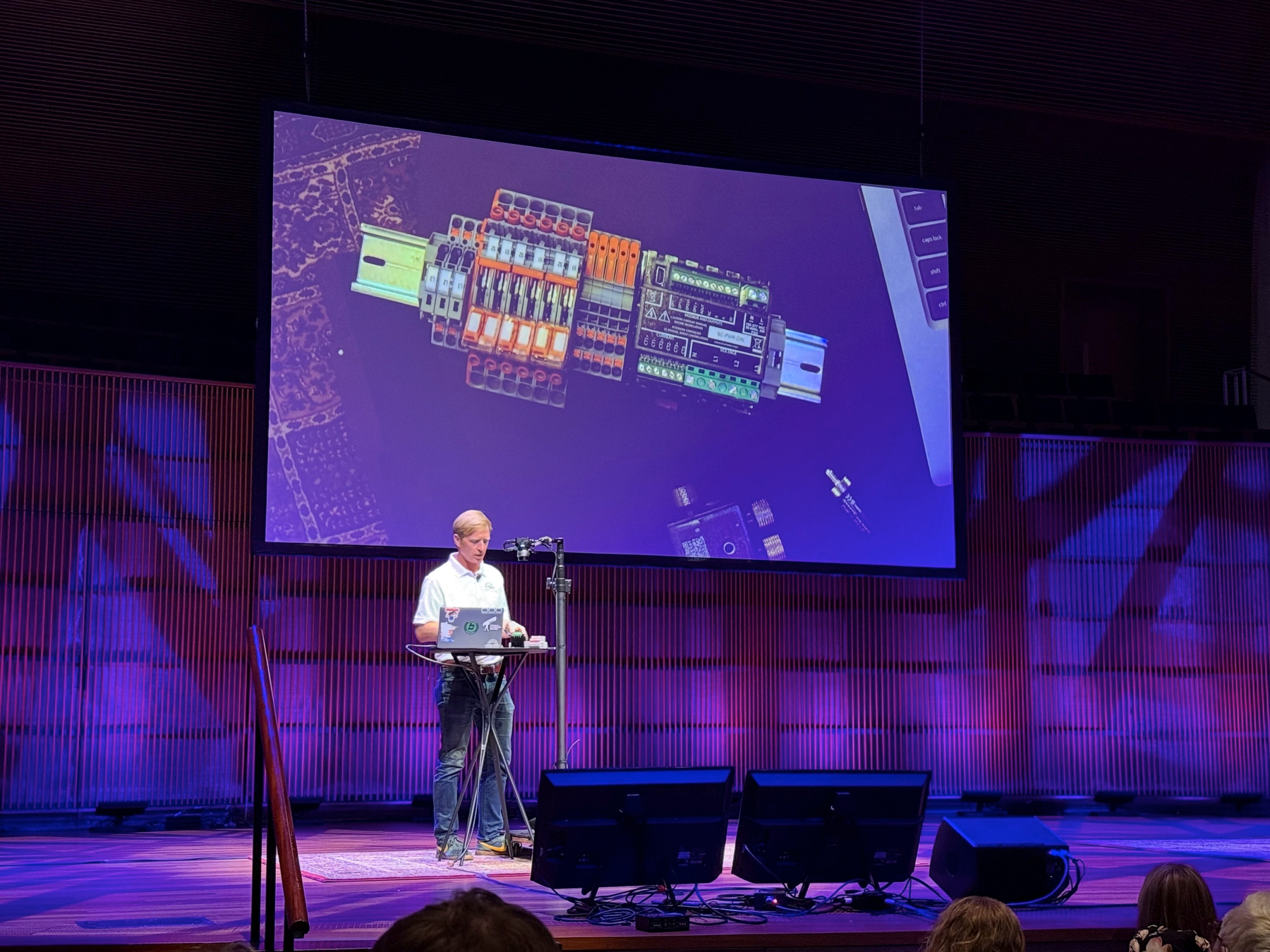
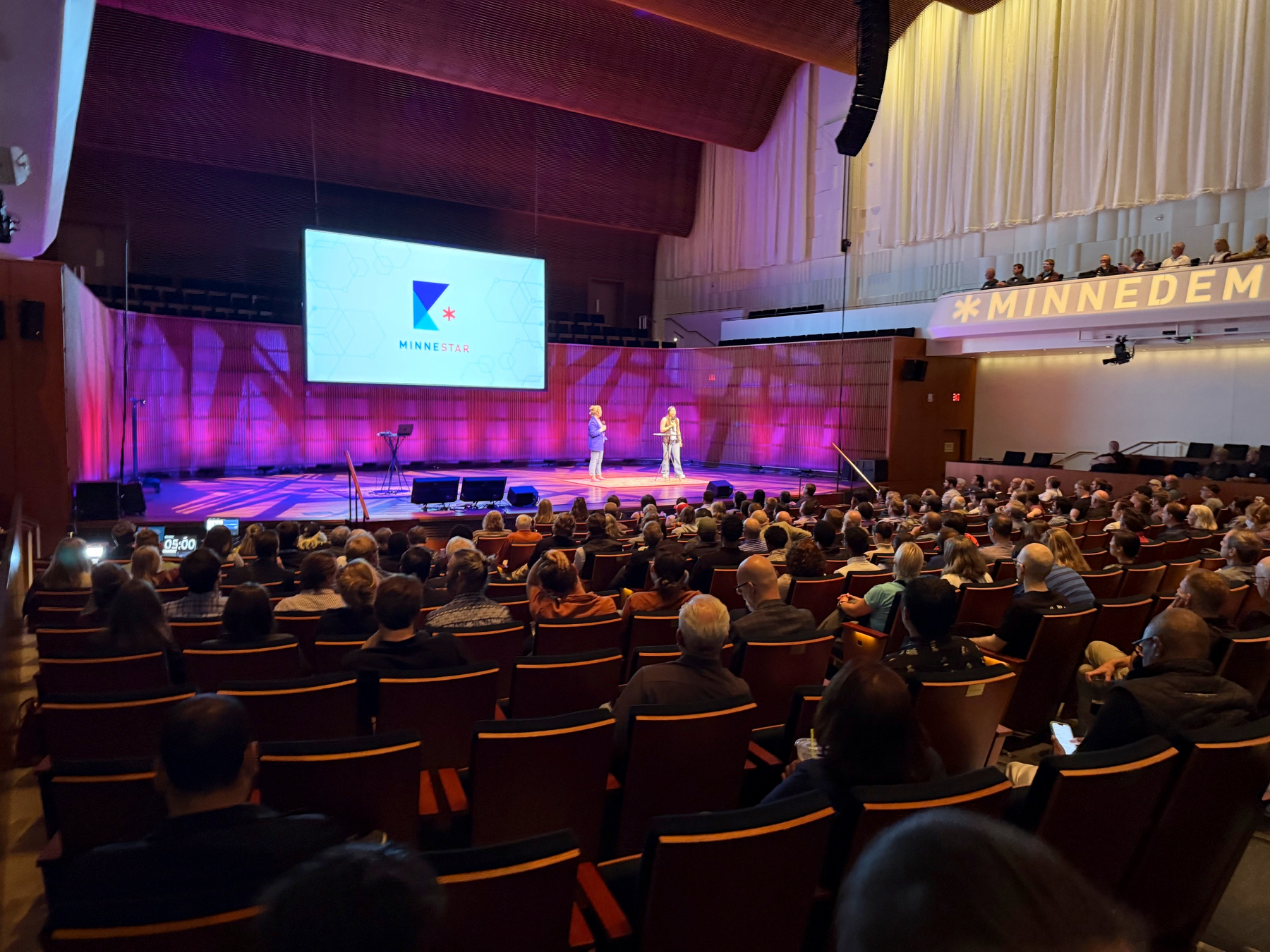
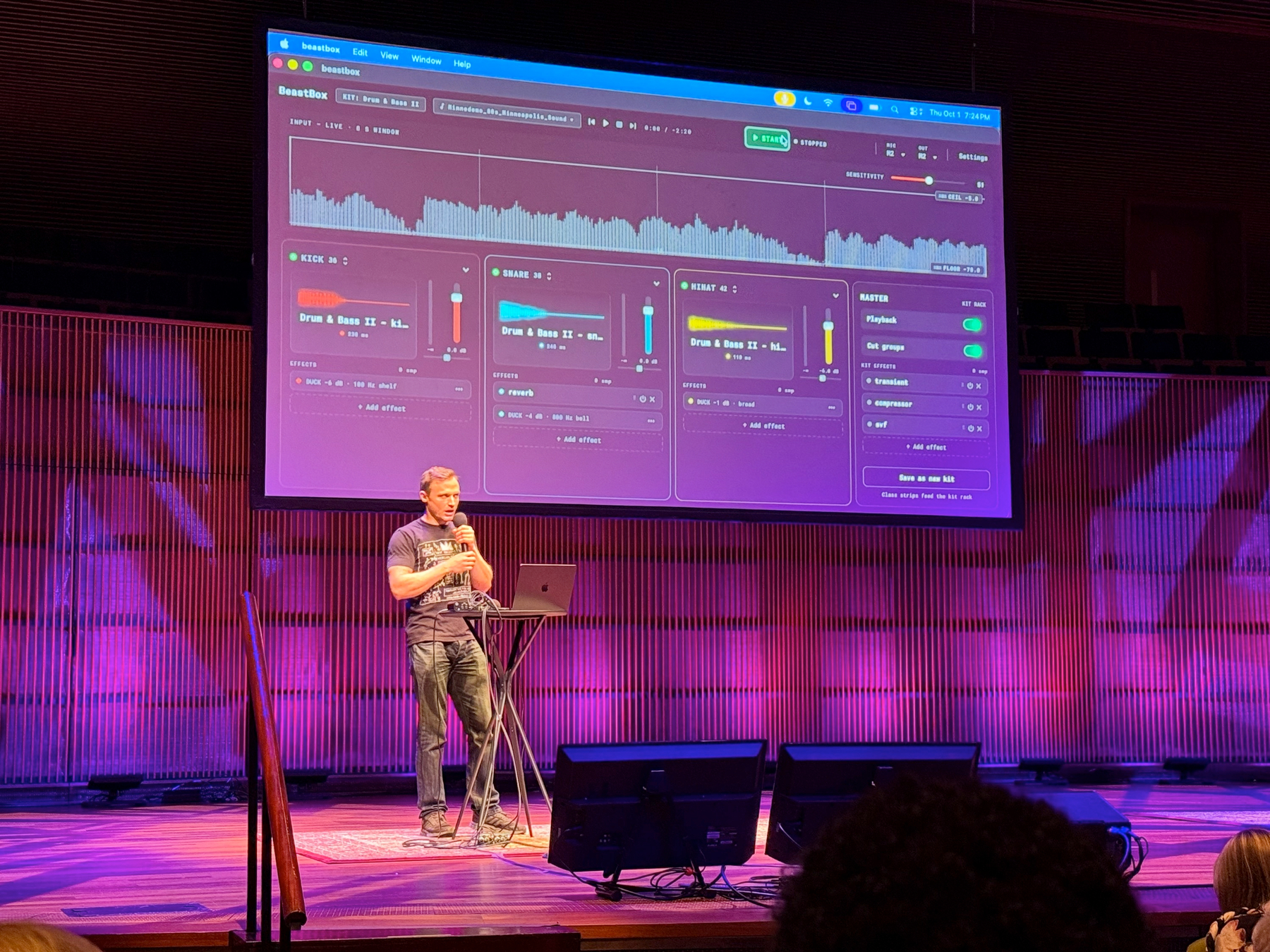
Beastbox was an amazing demo at Minnedemo. The engineering required to do signal detection in about 10ms to keep the time from beatboxing with your mouth to the audio being triggered is impressive.
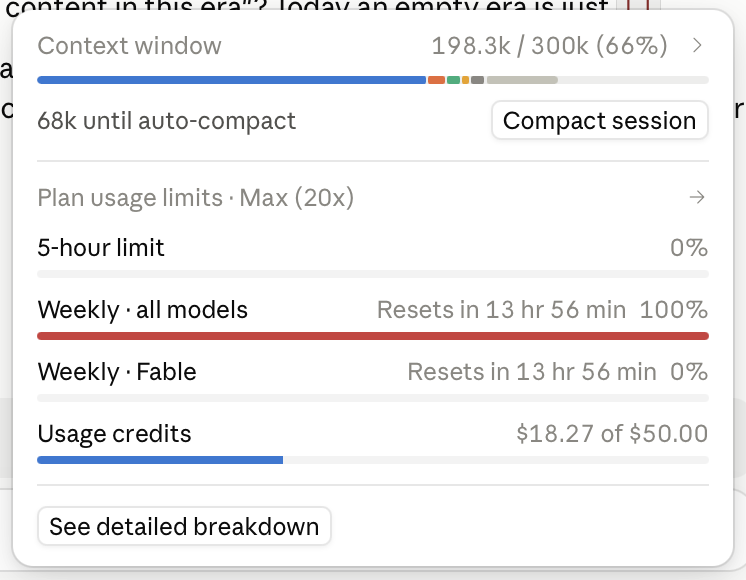
Oh no — I’ve used all my tokens! 😬 And I did successfully complete my mission to use the $250 of cloud credits.
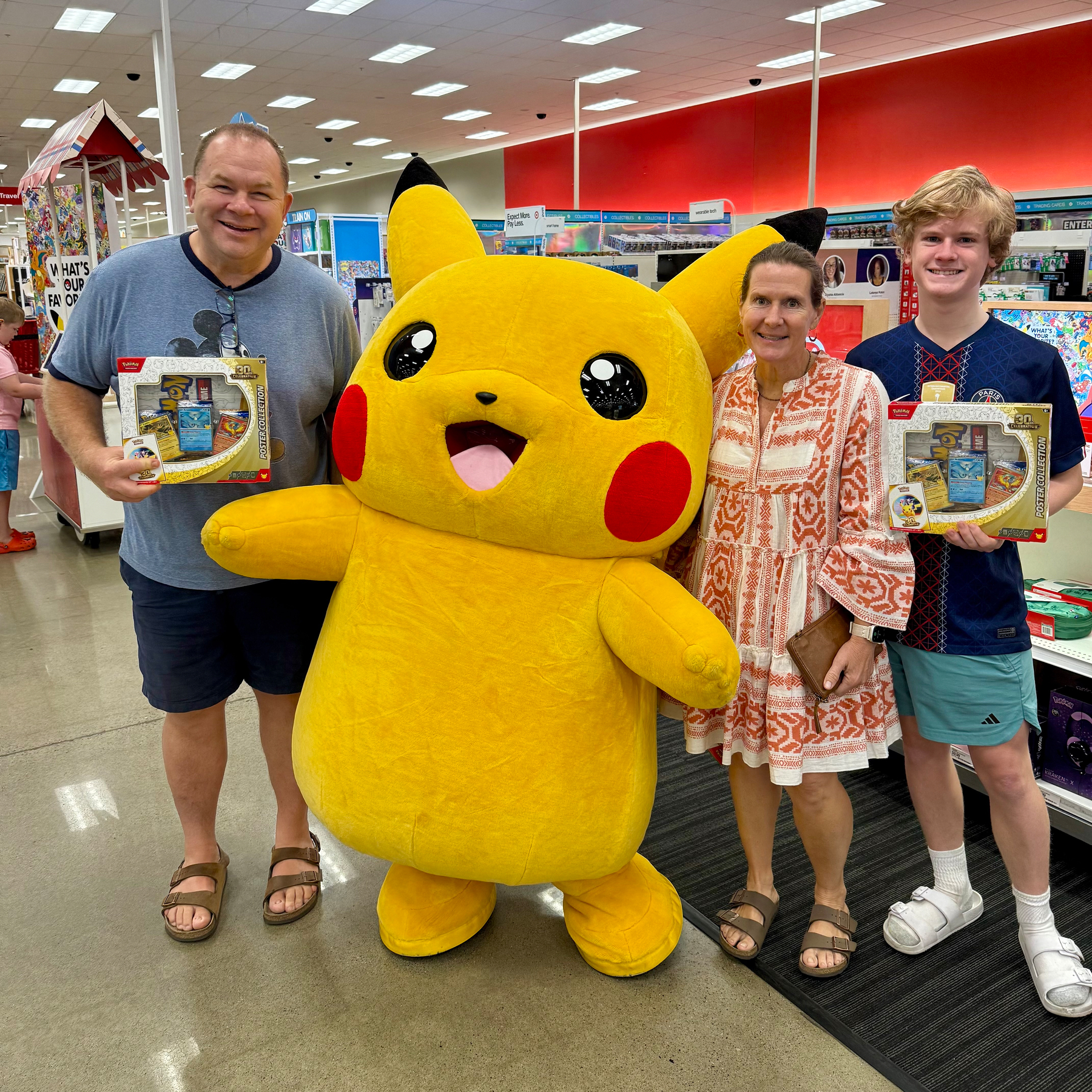
We got the very last of the available Pokémon 30th Celebration at the Edina Target today — and got our picture with Pikachu!
Happy Clash Royale cake day to me! 🎉

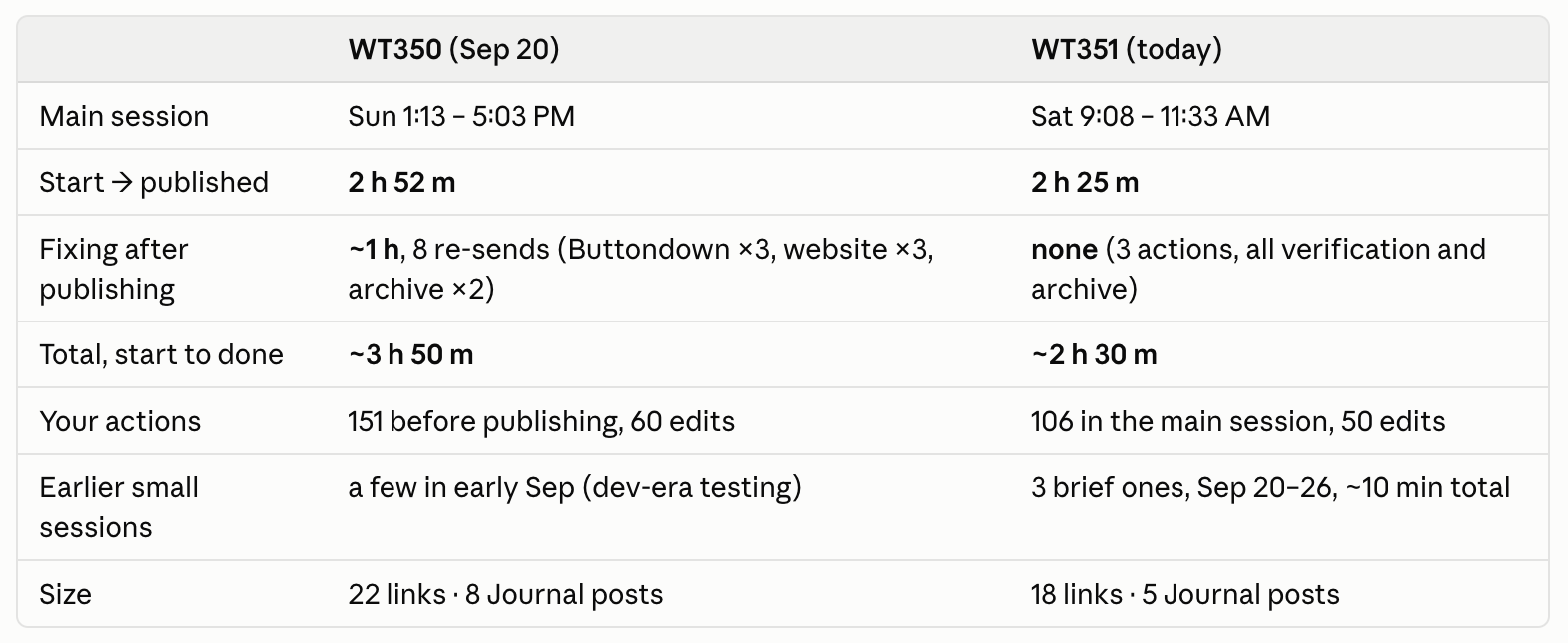
I realized I could probably get a data point I’ve never been able to from WT Builder: how long does it take for me to create the Weekly Thing? Turns out I can now answer that. Additionally, I can now evaluate features on how they improve my workflow and time required.
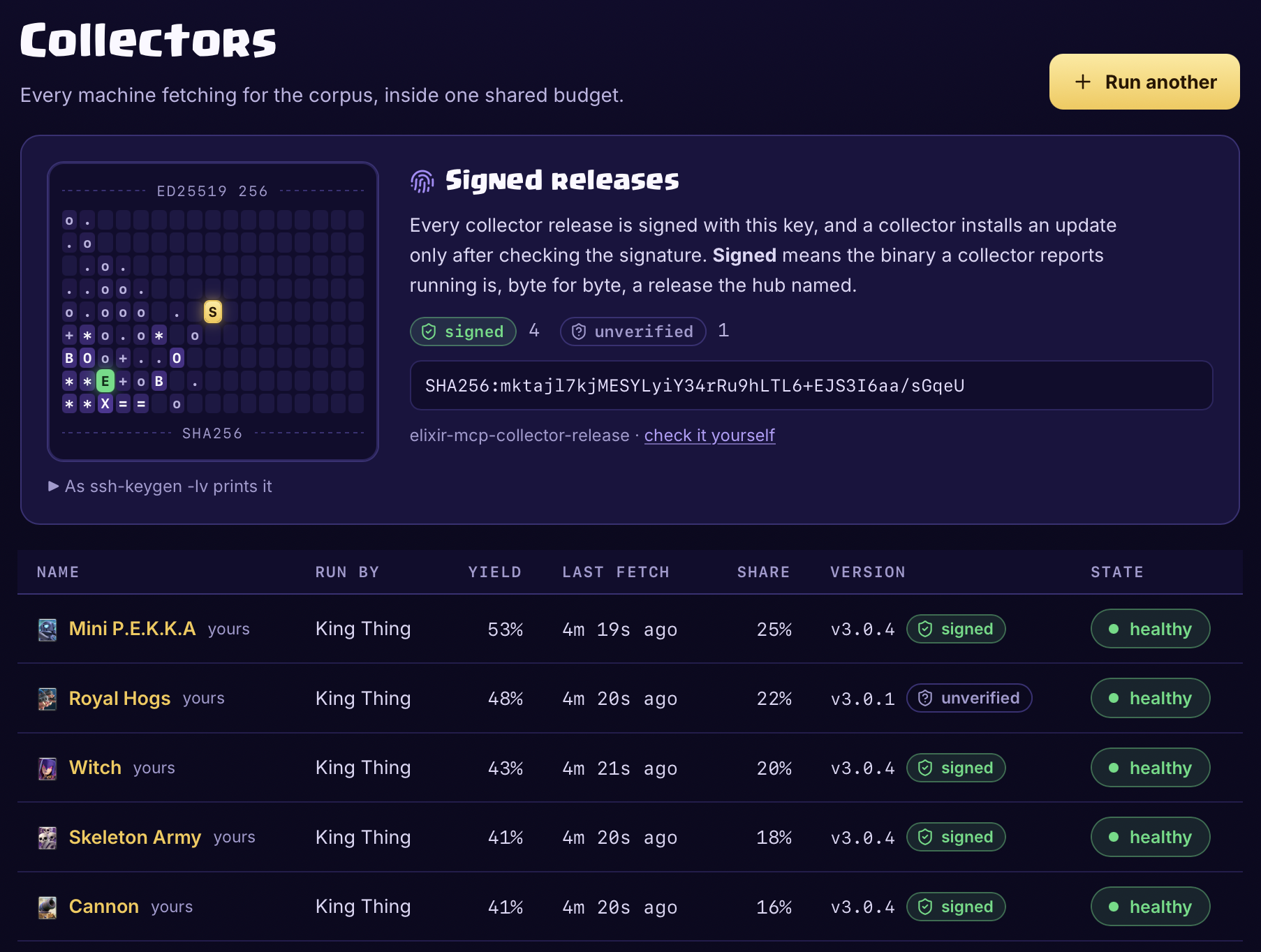
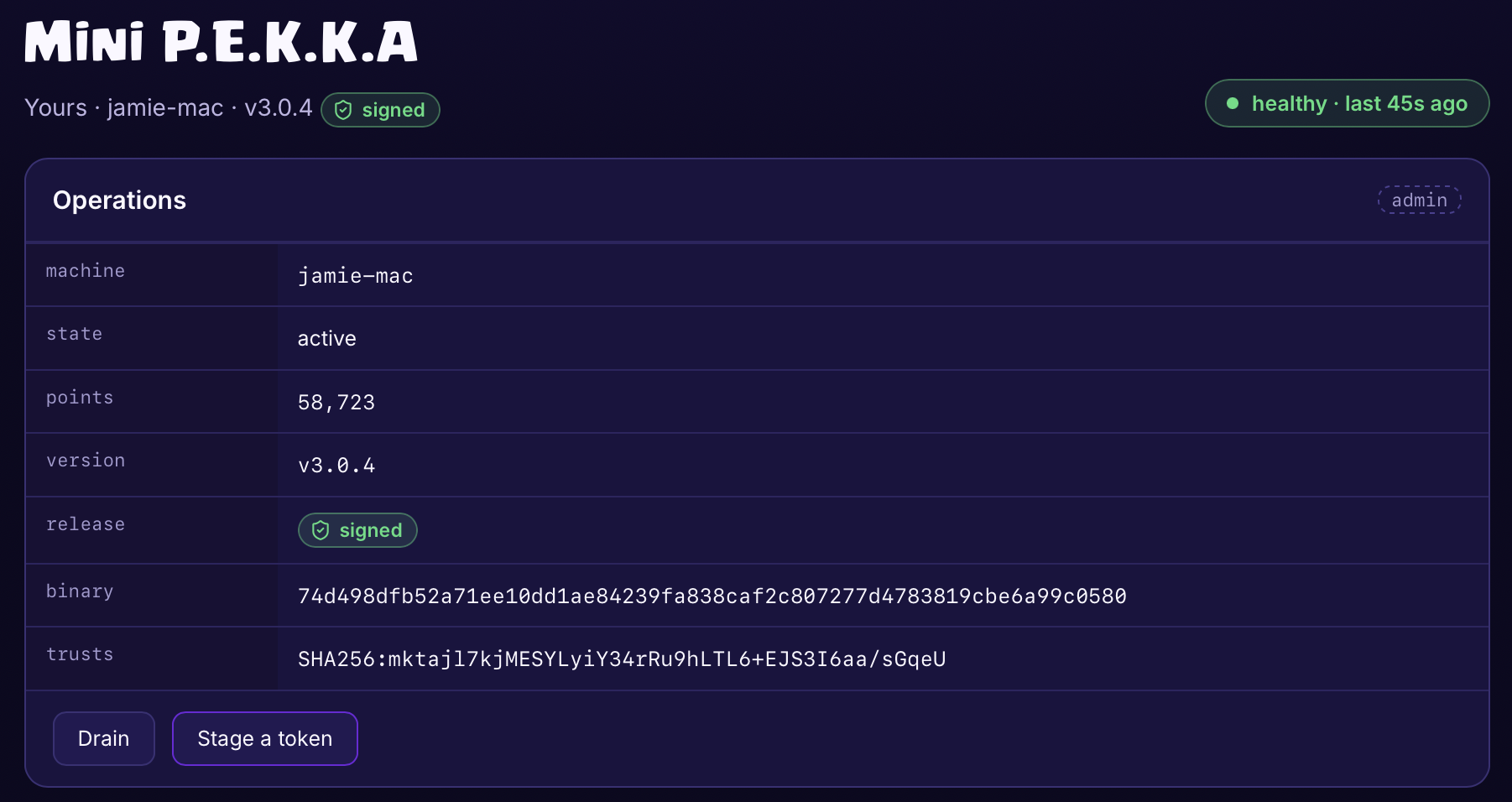
I used some of my Claude Cloud credits to put in place a truly secure pipeline for Elixir Collector. Starting at v3.0.0 all releases are signed using a private key that I manage and the entire pipeline is signed all the way to ingestion. It also got safety improvements in the auto-update process.
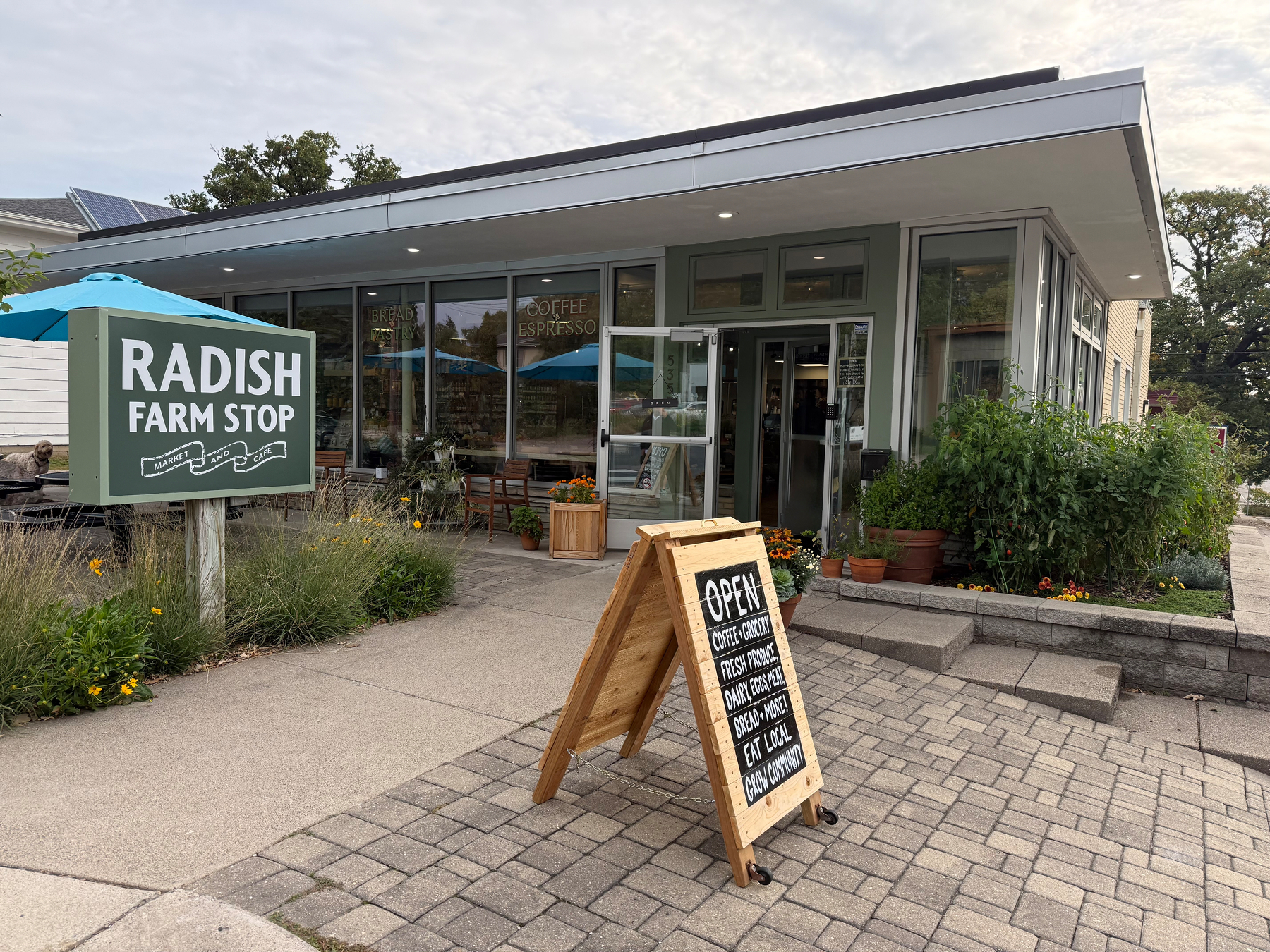
The Radish Farm Stop opened a couple blocks from our house and it is great. Glad to see they are doing well. It made me think of SimCity when a new building is placed and the Sims start showing up. 🥳😂