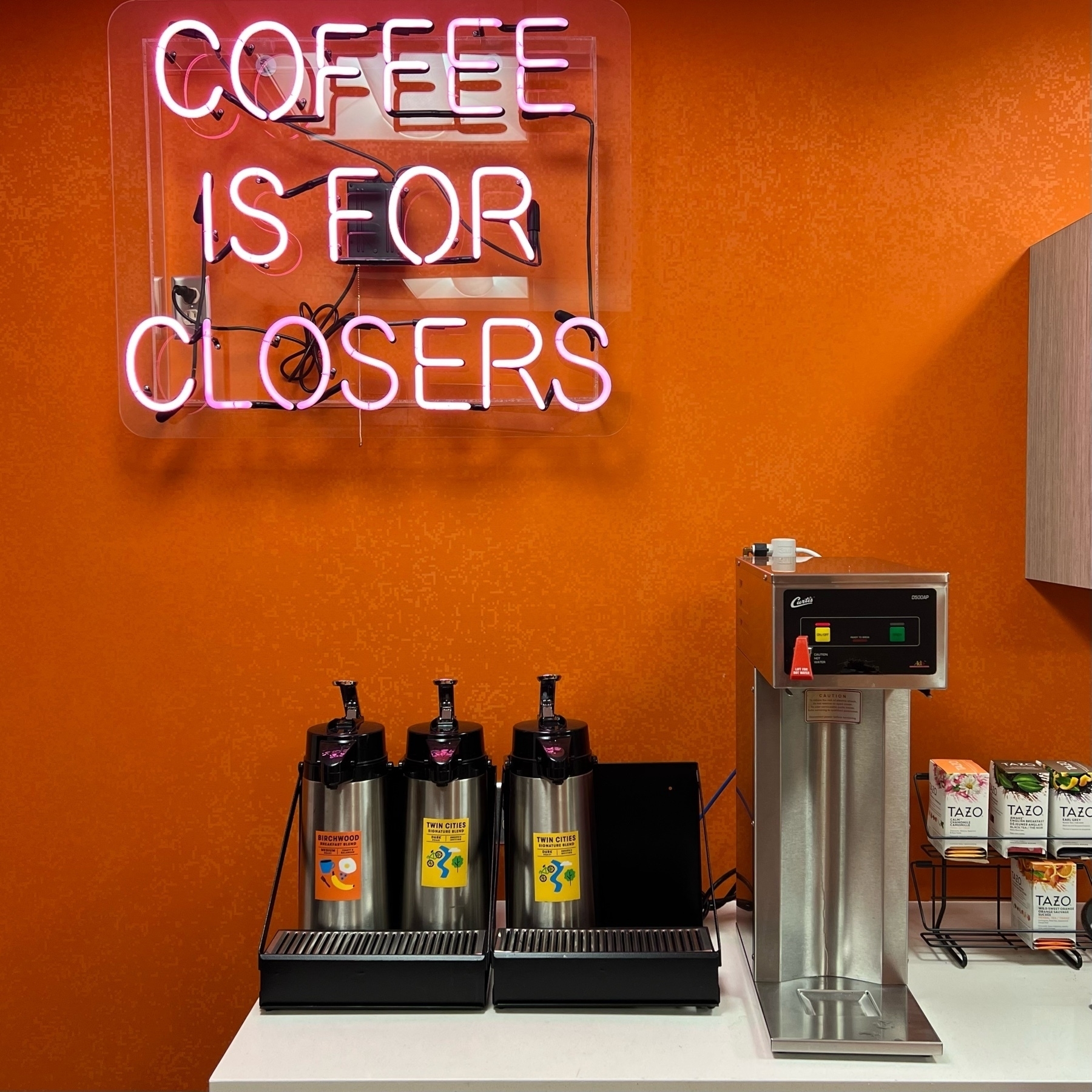
Some coffee to start your day? “Coffee is for closers.” Love this. 🤩 #TeamSPS
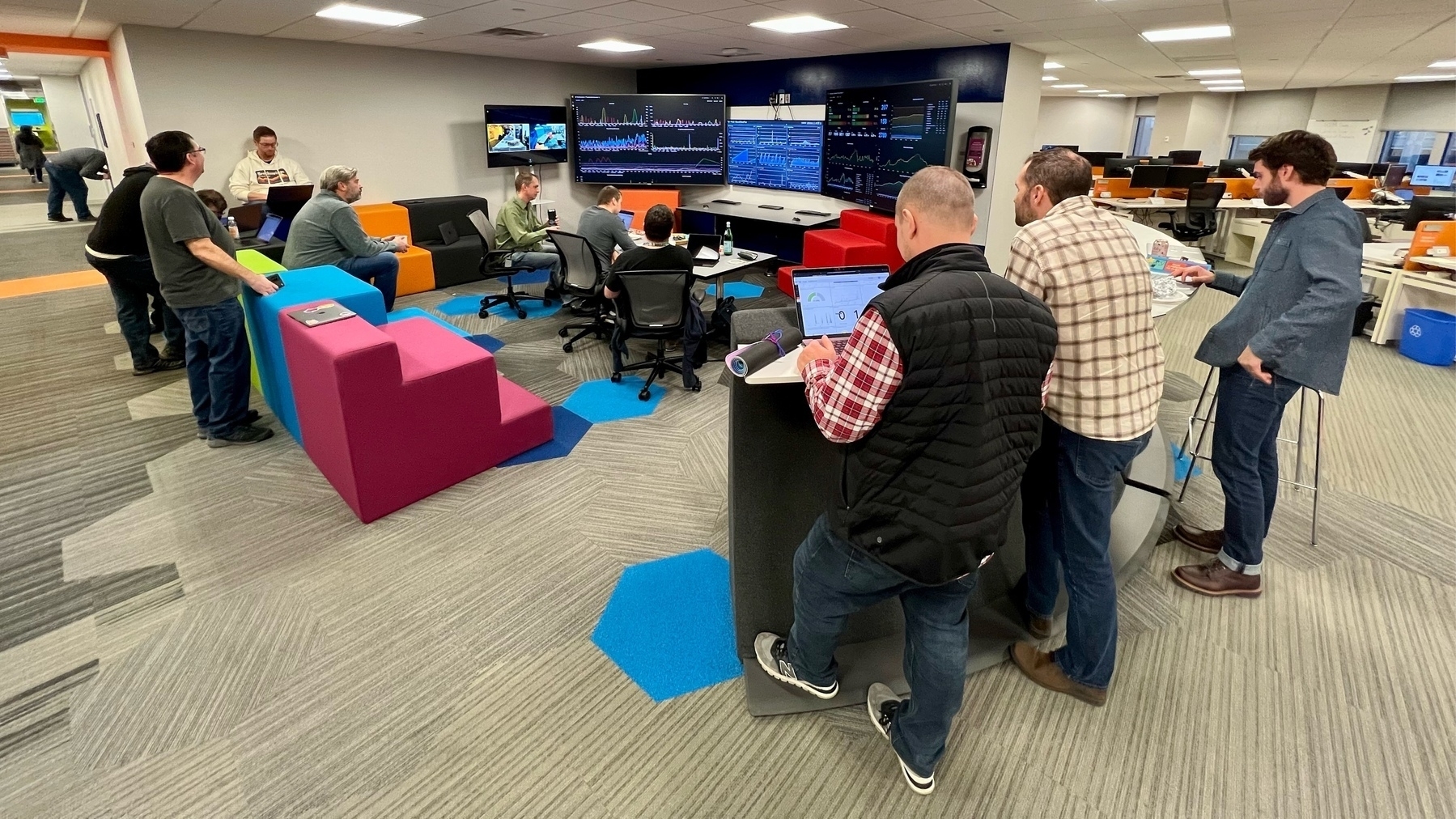
Cyber Monday 2022! Great day to show all the work our teams do to deliver amazing performance! #TeamSPS
Things 4 Good Fall Fundraiser Notes
We had a great Things 4 Good 2022 Fall Fundraiser. With the help of many friends and family we raised $5,217 to support four good causes.
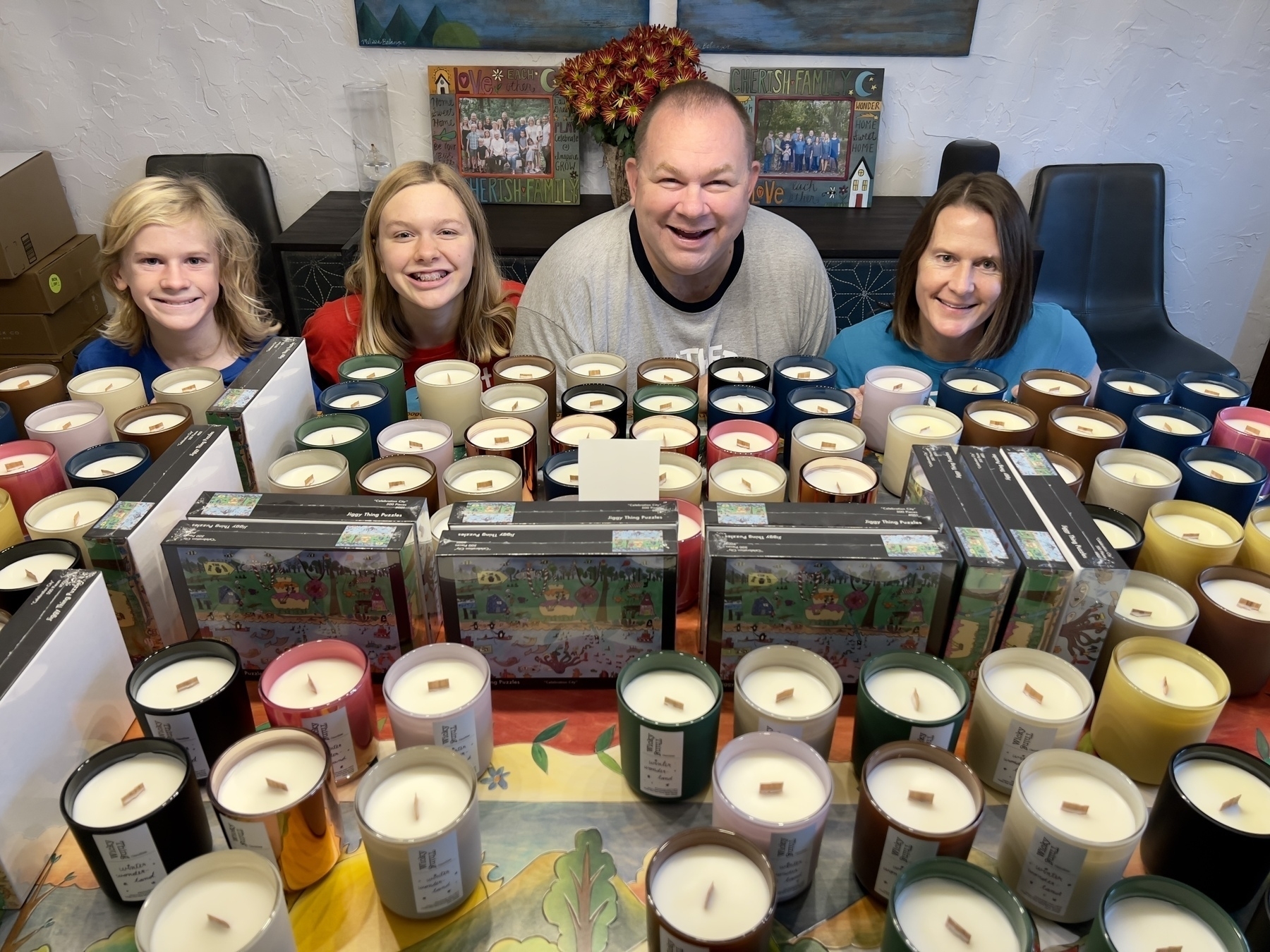
Some notes from the event:
- We sold 172 of the 180 Things 4 Good Candles we made. Last year we sold 134 candles.
- We sold all 50 bottles of Sweet Thing Honey.
- We sold 10 Jiggy Thing Puzzles, but it was the same puzzle we had in 2021 so a number of folks already had it. Last year we sold 26 puzzles.
- We had six Things 4 Good Candle scents this year: Winter Wonderland, Apple of my Eye, Oh my Darling, Tea Time (new), Red Hot (new), True North (new). Winter Wonderland and True North were nearly half of the 180 candles and together sold out the fastest.
- I’m not sure which vessel colors are the most popular, but it seems brown was likely the least popular.
- We achieved over 400% return on the expenses to buy supplies given the amount raised!
- Thus far 28 people have redeemed the Things 4 Good 2022 Fall Fundraiser POAP token. Printing out claim sheets with directions and the claim code was a much better way to distribute these.
I’m already looking forward to the 2023 Fall Fundraiser! 🤩
Things 4 Good Fall Fundraiser Distributed
The Things 4 Good 2022 Fall Fundraiser raised $5,217 to support good causes! That is a $460 increase over 2021. We had around 100 visitors as well as many email orders from people that couldn’t come in person. Today we distributed the proceeds to the four non-profits that we had selected.
As in previous years we shared the non-profits with each in-person visitor and they could select any number of the four organizations to support.
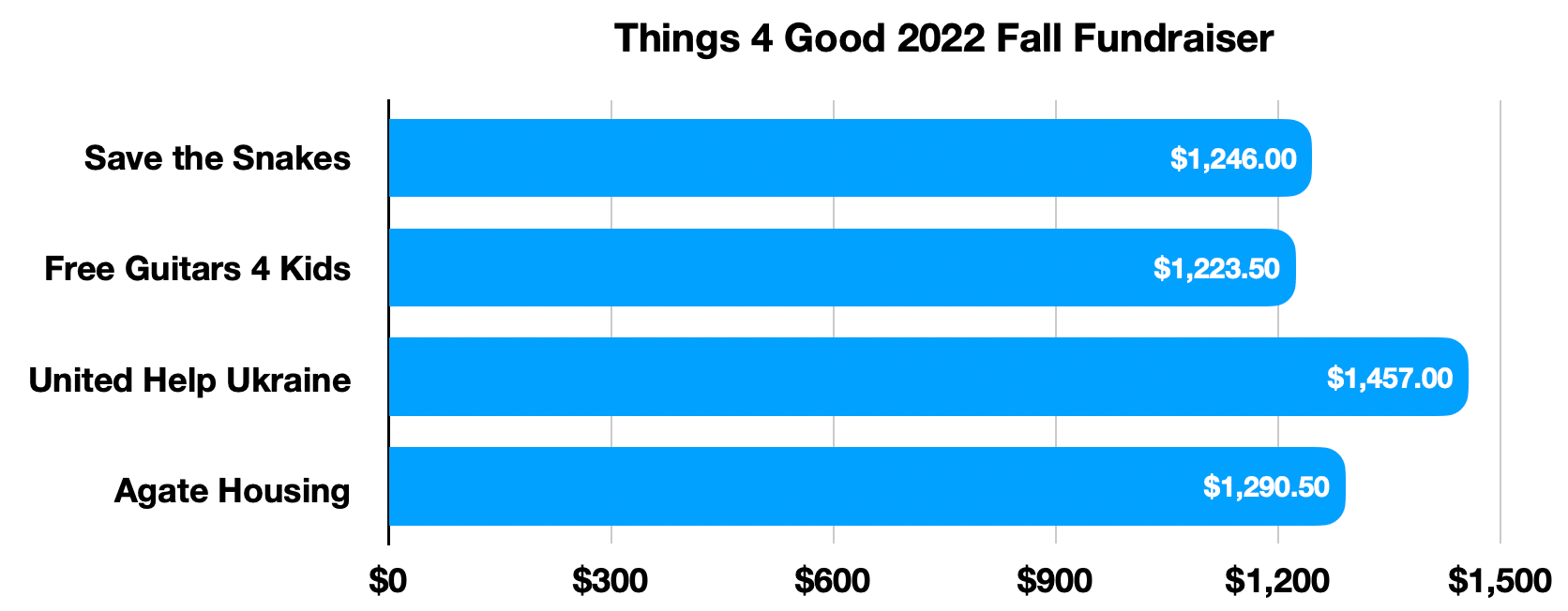
A huge thank you to everyone for being part of this fun event and help some organizations having a good impact in the world. 💛
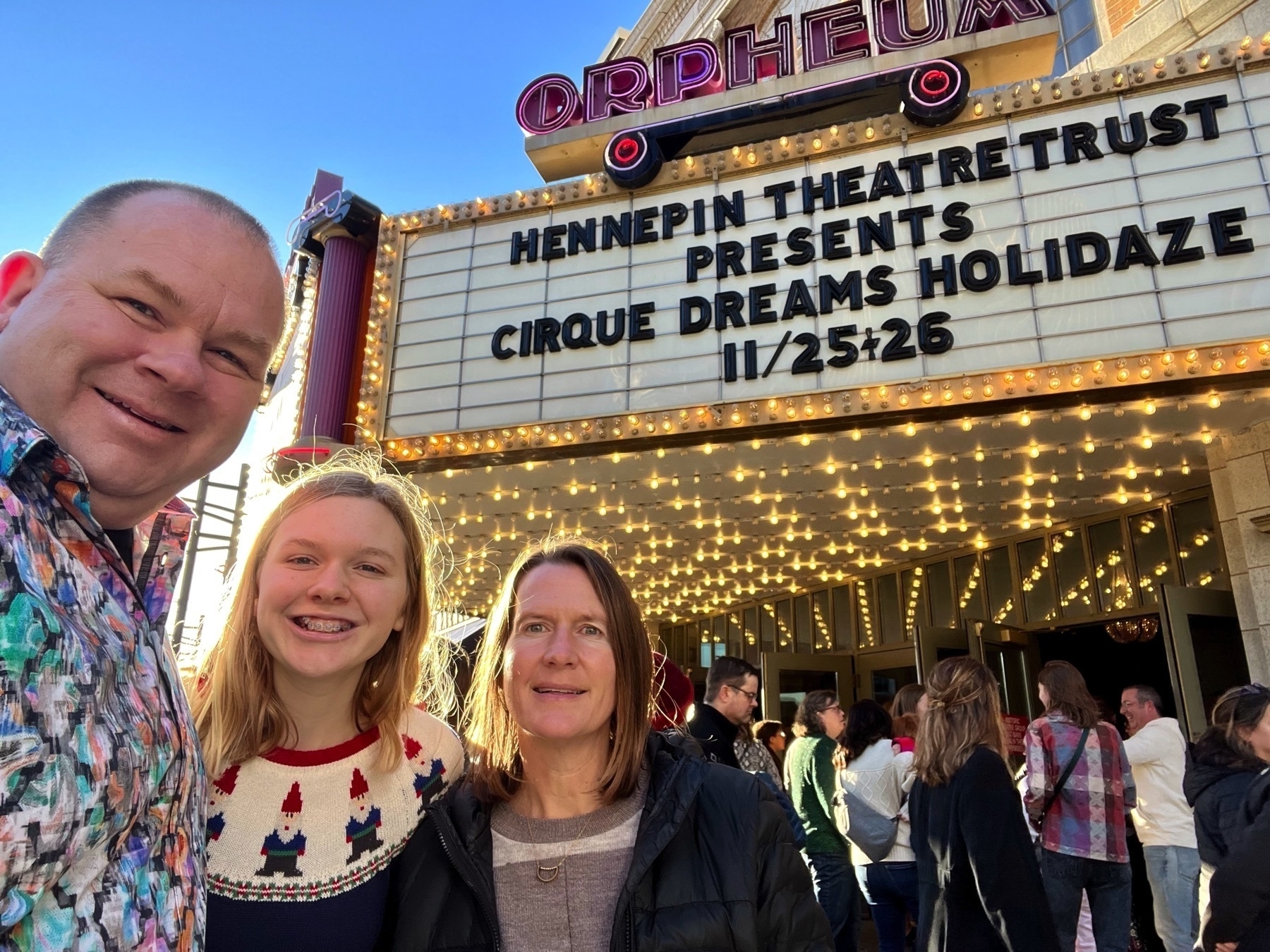
We had a fun time at Cirque Dreams today at the Orpheum. There were very impressive acts with a fun Christmas theme. It was not as extravagant as a full Cirque du Soleil production, but still had plenty of WOW moments.
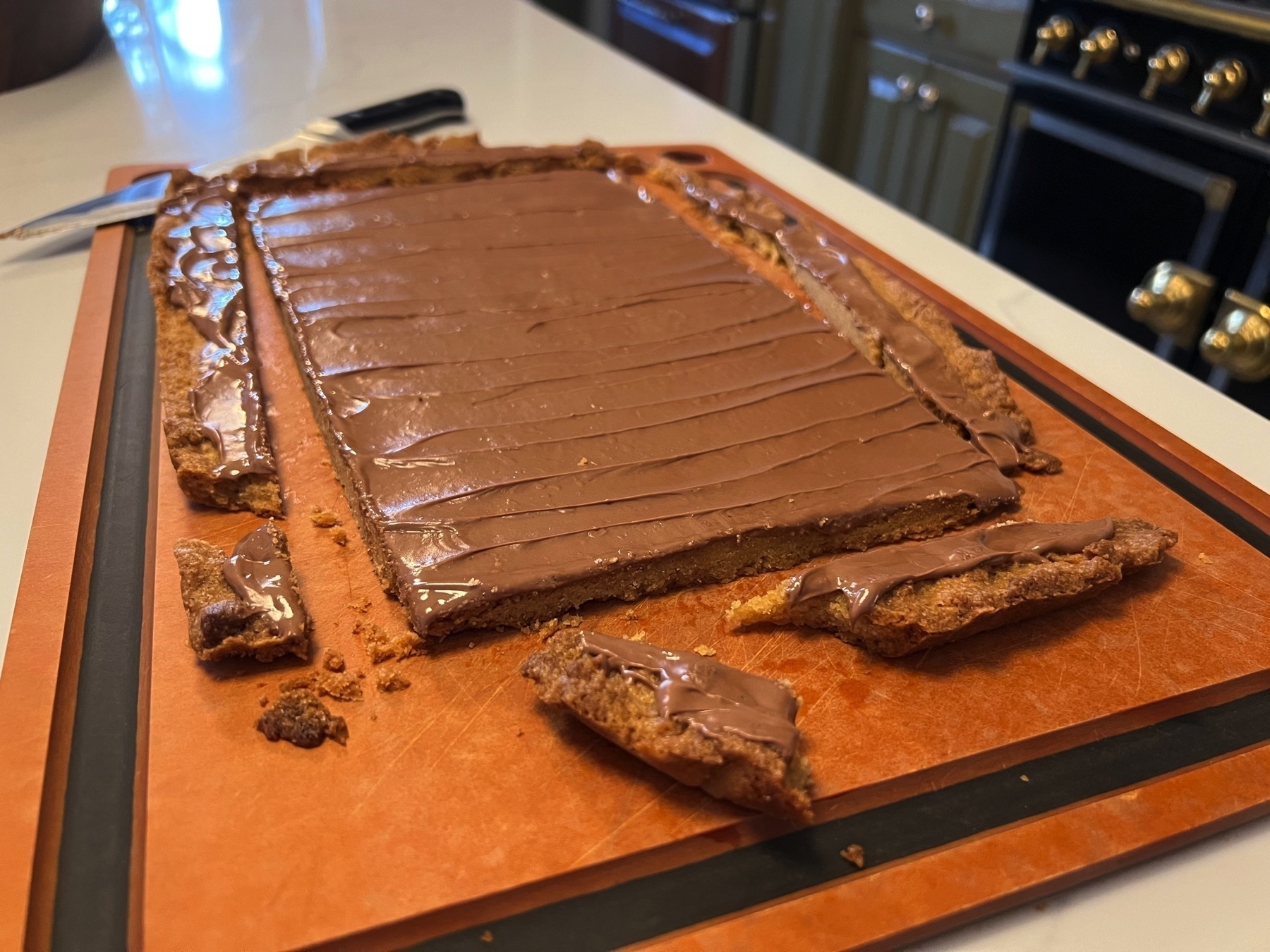
Made Toffee Bars this morning. Grandma Rose used to make sure these were around every time I was at the farm because she knew they were my favorite. Don’t suspect I’ll ever make them as good as she did. Miss you Grandma! 🥰
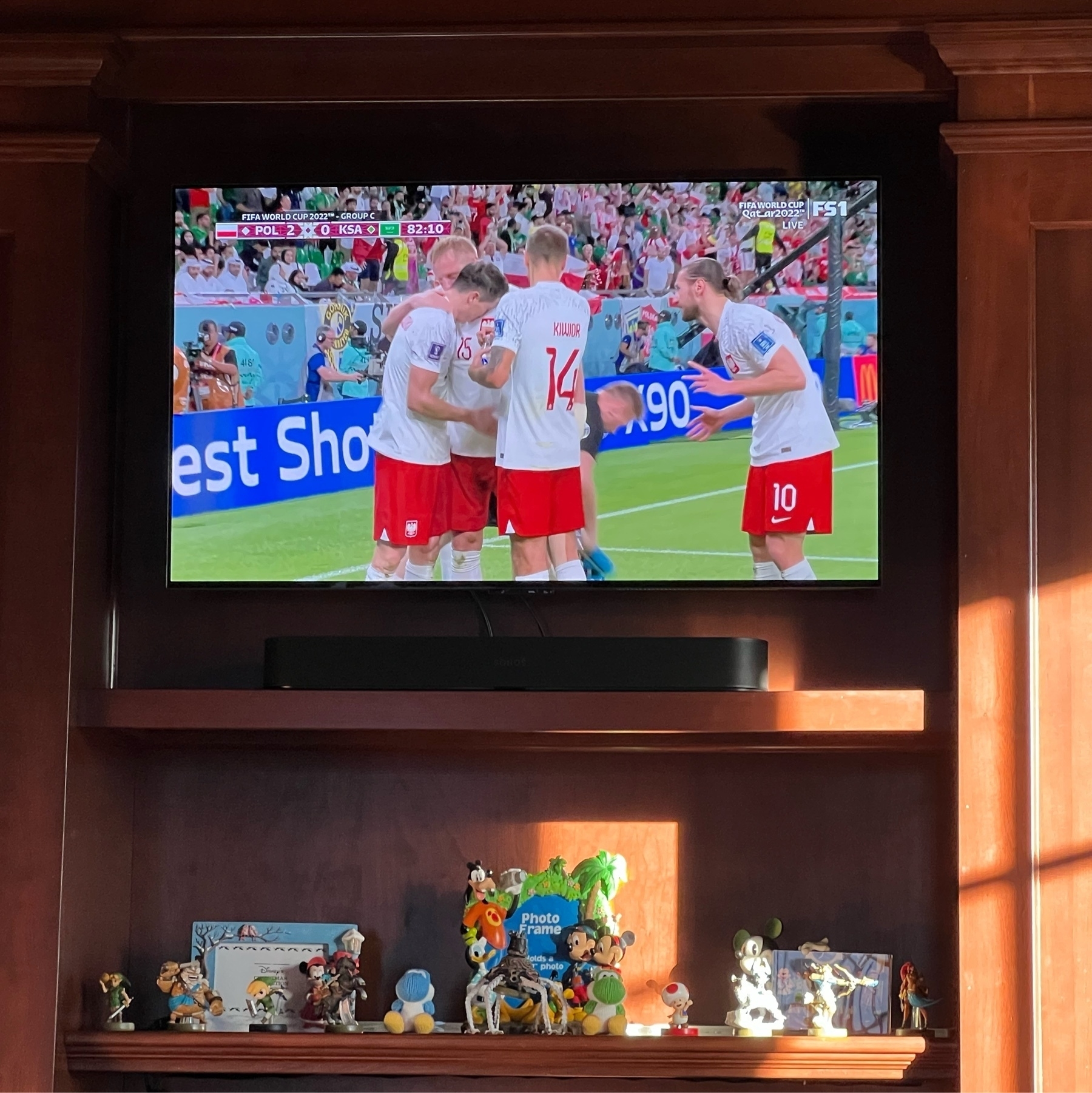
Witnessing Lewandowski’s first World Cup goal in four appearances! POL v KSA 2-0 ⚽️🎉🤩
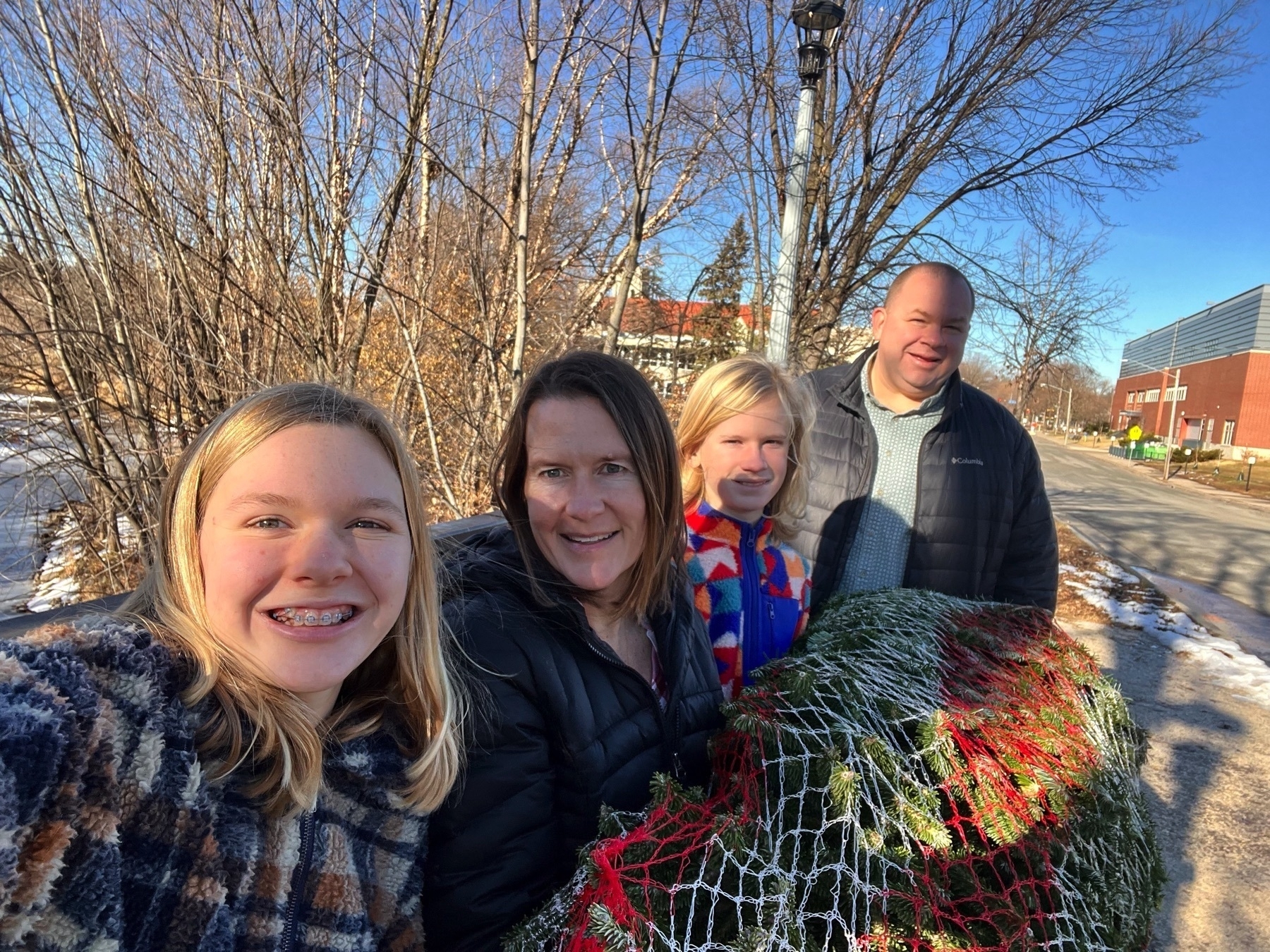
We got our Christmas Tree from Boy Scoot Troop 110’s sale at Mt. Olivet. Since it was just two blocks away we decided to carry it home. 🎄
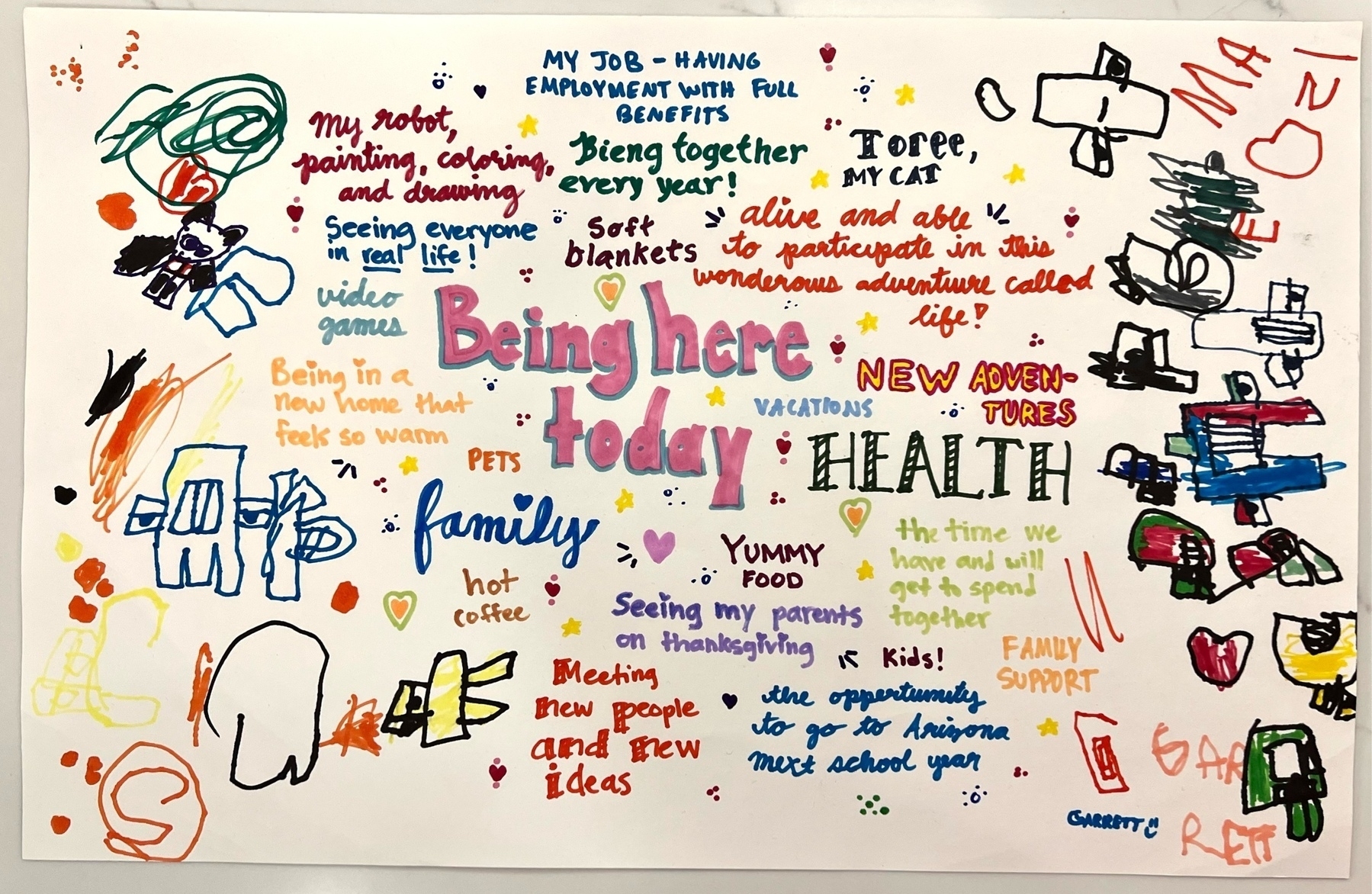
Mazie had an awesome idea and collected things everyone was thankful for and then put it together. Love this! 🥰
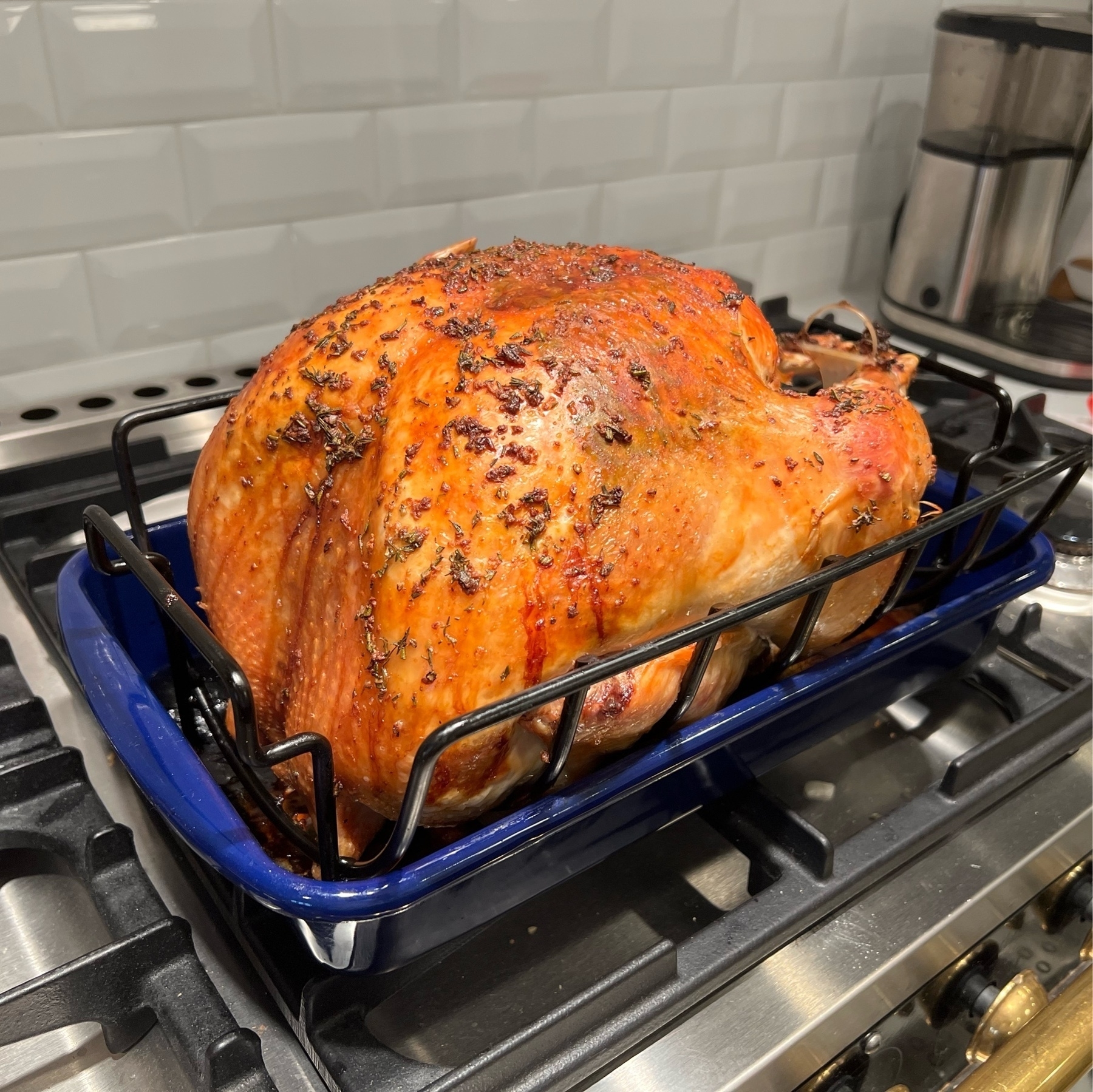
Turkey check mid cook. So far so good. Going faster than expected.